


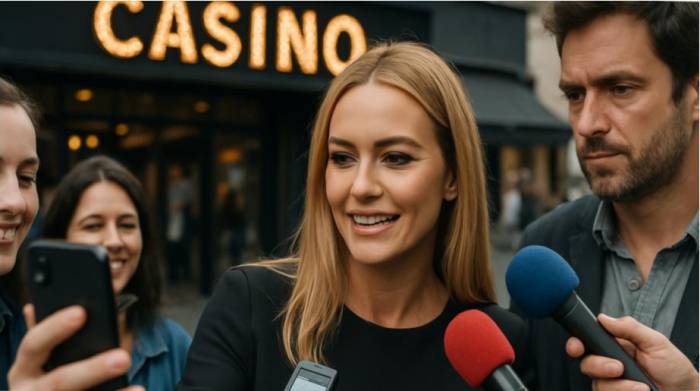
If you scroll through your feed, you might notice, sort of as a background hum, that celebrities and those ever-present influencers are now everywhere when it comes to gambling. The headlines well, they usually feature someone famous looking relaxed, tossing chips or flashing a huge grin. It tends to look thrilling, glamorous, almost suspiciously effortless, if you think about it. Stories love to linger on massive bets, the kind of luxury that seems just out of reach. Negatives? Addiction, money troubles, anxiety these hardly register unless you dig for them.
Apparently, a 2024 Australian study backs this up; especially among audiences, the more celebrities hype up gambling, the less dangerous it seems. Not that regulation isn’t trying to keep up, but let’s be honest: the difference between stardom and subtle gambling promotion gets murkier every year. So, the way people see gambling right now? Mostly filtered through a haze of wishful thinking and familiar faces less about the toll, more about what appears to be success.
Influence of celebrity endorsements on gambling attitudes
It’s tough to ignore how celebrities, especially in media campaigns, seem to steer public opinion on gambling. There’s research from Australia, the US, the UK that suggests athletes, musicians, these types are all over it. Whether their presence is just atmospheric or actually nudges attitudes, almost every source says: yes, it registers.
If we go by September 2024 data from Basis Online, apparently around 47% of adults recognize gambling brands because a celebrity or influencer is attached. Same survey if a familiar face pops up in a gambling ad, teenagers are about twice as likely to remember it. The reach stretches out even further with Instagram or YouTube; sharing, liking, commenting there’s no shortage of that when stars publicly gamble.
Instead of warnings, reports seem to focus on events, as if winning were the real story. These cycles keep betting ordinary, kind of a background habit; it’s not just something people do in a casino, it pops up everywhere now, which also includes home and, yes, sometimes extends to online casino platforms that feature celebrity ambassadors. That’s how entire age groups end up thinking gambling is just another aspiration or normal hobby.
Risk perception and normalization in popular media
Seeing celebrities smile through gaming sessions, online casino games, and sports betting sessions often omit the risks of addiction and financial harm. There are some numbers: Recent observations suggest that repeated, flashy influencer ads can gradually erode players’ concerns about potential losses especially among certain age groups. Strikingly, only about 7% of celebrity-driven ads mention important cautions, such as betting limits or where to find help. The rest focus almost entirely on parties and luxury vacations.
All too often, the way celebrities react after these events (or at least that’s what gets posted) makes smart or cautious play look unnecessary, even dull. In the rush for views or clicks, balanced perspectives rarely break through. There was that episode when Drake shrugged off any talk about his own gambling risks a lot of the media just accepted it at face value. So the message, repeated over and over in influencer posts or those YouTube montages: losses are flukes, problems happen to someone else, but fun? That part’s for everyone.
Public debate, calls for reform, and visible harms
Politicians, advocates they keep saying that letting celebrities promote gambling isn’t working out in the long run. Some of the conversations have moved past laws alone; there’s this argument that public figures, if they’re going to be involved at all, should actually put some effort into education or awareness campaigns. Recent data from 2024 indicates that about 62% of parents are concerned about how much influence celebrities have on their children’s perception of gambling.
Lawmakers are starting to notice, at least in a few places; like, Australia is thinking about blocking celebrity-fronted ads completely. Once in a while, you hear about a celebrity speaking honestly about how gambling hurt them. These admissions seem to make it easier for fans to ask for help, though such cases remain rare. Most of the attention still goes to stories — especially those about fame or success. Stories about setbacks or recovery are often overshadowed and, let’s be honest, far less likely to go viral.
Framing, misconceptions, and the way forward
Marketing, press interviews, slick campaigns these pull the spotlight onto risk perception and normalization of gambling, and with all that focus, sort of warp what people think. The myth that skill or maybe just luck can land you a fortune is still stubbornly popular, while the facts about odds and house advantage slip out of view. Losing money, stress, addiction those are hardly headline news, even though they’re quietly piling up in the background. The result? Public views are skewed, whether anyone wants to admit it or not.
Research shows that social media tends to go wild for celebrity bets, far more than it ever does for stories about losses or recovery. Some experts continue to call for change: clearer risk warnings on every celebrity ad and more real reporting on the downsides of gambling. But until those ideas get real momentum well, it’s probably safe to say that hype and certain narratives are sticking around, especially for an audience glued to their screens.
Responsible gambling and informed choices
If anything’s clear, it’s that people need straight answers about the risks. Celebrity promos shouldn’t exist in a vacuum they should sit alongside resources for getting help. Platforms, and the people running them, are being nudged to prioritize real education, not just bright lights. Sharing honest accounts, encouraging responsible play, maybe a few more real stories of turning things around all of this could start to shift the tone.
It’s the crowd that’s most in need of clear-eyed advice. Maybe, with enough voices and a bit of persistence, the conversation will pivot so entertainment doesn’t always drown out the reality underneath.